Why Choose a Local Nurse Practitioner for Personalized Minnesota Healthcare

Healthcare feels easier when the person caring for you knows more than your chart. A local nurse practitioner can connect symptoms to daily life, listen closely, and build a care plan that fits the way people actually live, work, commute, age, and care for their families.
That kind of care matters in Minnesota. From long winters and rural travel times to seasonal allergies, lake life, school sports, farming communities, and diverse urban neighborhoods, health needs can look different from one community to the next. Local nurse practitioners bring clinical training and practical community awareness together, which can make care feel more personal, direct, and useful.
This article is for informational purposes only and is not a substitute for medical advice, diagnosis, or treatment from a qualified healthcare professional.
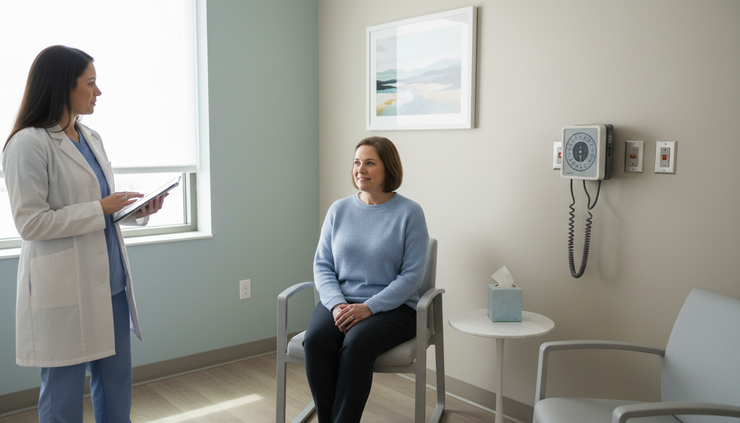
Local nurse practitioners make healthcare feel more personal
A nurse practitioner, often called an NP, is an advanced practice registered nurse with graduate-level clinical training. NPs can assess symptoms, diagnose common conditions, order tests, prescribe medications within their scope of practice, and help patients manage ongoing health concerns.
The difference many patients notice is the style of care. Nurse practitioners often take a whole-person approach. That means the visit may include questions about sleep, stress, food access, family routines, work demands, transportation, medications, and personal goals, not just the symptom that brought someone in.
That broader view can be especially valuable when a health concern does not have a simple answer. Fatigue may relate to poor sleep, low iron, thyroid issues, depression, medication side effects, or caregiving stress. High blood pressure may connect to family history, diet, pain, work schedules, or limited time for exercise. A local NP can help sort through those layers and make a plan that feels realistic.
Personalized care is not just being friendly. It means using medical knowledge to shape care around the person in front of the practitioner.
That may include:
Adjusting a treatment plan around work shifts or school schedules
Choosing medication options that fit allergies, side effects, cost, and preferences
Helping a patient set small goals for blood pressure, blood sugar, sleep, or movement
Coordinating referrals when specialty care is needed
Making follow-up feel like part of the plan, not an afterthought
A patient who feels heard is more likely to ask questions, share concerns, and stick with a care plan. That supportive relationship can improve the day-to-day experience of managing health.
Direct access can make care simpler and faster
Many people put off care because the process feels difficult. They are not sure who to call, how serious a symptom is, or whether they need a specialist. Direct access to experienced Minnesota nurse practitioners can help close that gap.
Local NPs often serve as a first point of contact for everyday health needs. They can evaluate a new concern, treat many common conditions, and guide next steps when a higher level of care is needed. The result is a more practical path through the healthcare system.
For many routine concerns, a nurse practitioner may be able to help with:
Cold, flu, sinus, and ear symptoms
Sore throat, cough, and mild respiratory concerns
Skin rashes, acne, eczema, or minor infections
Urinary symptoms
Headaches or migraines
Medication refills and medication reviews
Blood pressure checks and management
Diabetes monitoring and education
Preventive screenings
Vaccinations
Wellness visits
Lab orders and follow-up
Mental health screening and basic medication management when appropriate
Reproductive and sexual health services
Sports, school, or work physicals
Access matters because small issues can become bigger when they are ignored. A patient with rising blood pressure may not feel symptoms at all. A person with prediabetes may feel fine for years. Someone with anxiety may wait until daily life becomes much harder. Regular, approachable care gives these concerns a better chance of being noticed early.
Direct access also helps when patients need education. A lab result without context can feel confusing or frightening. A local NP can explain what the result means, what it does not mean, and what steps come next.

Individualized treatment plans are built around real life
A treatment plan only works if it fits the person who needs to follow it. This is where local nurse practitioner care can stand out.
A generic plan might say, “exercise more,” “eat better,” or “reduce stress.” Those goals sound simple, but they do not say much. An individualized plan asks better questions.
What kind of movement is safe and realistic in January? Is the nearest grocery store close by? Does the patient work nights? Is the patient caring for children, aging parents, or both? Does the person have pain that makes walking harder? Are there cultural food traditions that should be included rather than ignored?
A local NP can help turn broad advice into doable steps.
For example, a patient managing high blood pressure might leave with a plan that includes:
Home blood pressure checks at consistent times
A medication review to look for interactions or side effects
A sodium goal that fits their usual meals
A walking plan for indoor spaces during icy weather
A follow-up appointment to check progress and adjust care
A patient with type 2 diabetes might need something different:
Lab monitoring on a schedule
Medication education
Foot checks
Nutrition guidance that respects budget and food preferences
Support for setting blood sugar goals
Referral to a diabetes educator or eye care professional when needed
For mental health concerns, individualized care may include screening, lifestyle support, medication discussion when appropriate, therapy referrals, and safety planning if needed. A nurse practitioner can also monitor how treatment is working over time and make adjustments.
The value is in the fit. A plan that respects real barriers is usually easier to follow than one that assumes every person has the same resources, time, and health history.
A supportive relationship improves the care experience
Good healthcare depends on trust. Patients need to feel safe enough to mention symptoms that seem embarrassing, confusing, or hard to explain. They need room to ask what a diagnosis means. They need a practitioner who can say, “Let’s look at this together,” and mean it.
Local nurse practitioners often build long-term relationships with patients and families. Over time, they may notice changes that a one-time visit might miss. A patient who usually has steady moods seems withdrawn. A parent looks exhausted. A person with well-managed asthma starts needing an inhaler more often. A regular practitioner has context.
Continuity also saves time. When a nurse practitioner knows a patient’s history, medication preferences, past reactions, family risks, and health goals, the visit can focus on progress instead of starting from zero.
This supportive relationship can be especially helpful for people managing chronic conditions. Conditions such as asthma, diabetes, high blood pressure, thyroid disease, depression, anxiety, and arthritis often require ongoing adjustments. A local NP can help track patterns, explain options, and celebrate small wins.
Trust also helps with prevention. Patients may be more willing to schedule screenings, get vaccines, discuss alcohol or tobacco use, talk about sleep, or bring up changes in mood when they already have a comfortable relationship with their clinician.
Short, one-time care
Useful for quick concerns, but may miss personal context.
General advice
May not account for work, weather, cost, or family needs.
Fragmented follow-up
Patients may be unsure what to do next.
Ongoing local NP care
Builds history, trust, and a plan that can change as life changes.
Individualized guidance
Connects medical recommendations to daily routines.
Supported next steps
Follow-up, referrals, and education are part of the care plan.

Local knowledge helps practitioners understand community health needs
Minnesota is not one single healthcare experience. Needs vary across the Twin Cities, small towns, rural areas, lake communities, farming regions, and northern communities. A local nurse practitioner can bring awareness of nearby resources and common regional health patterns into the visit.
For example, Minnesota’s long cold season can affect health in practical ways. Icy sidewalks may limit exercise for older adults or people with mobility concerns. Short winter days can affect mood and sleep. Cold air may trigger asthma symptoms for some patients. A local NP can suggest options that fit the season, such as indoor walking spaces, asthma action plans, vitamin D discussion when appropriate, and mental health screening.
Outdoor life also shapes care. In warmer months, patients may spend more time hiking, camping, fishing, gardening, or playing sports. Local practitioners may be more alert to tick bites, sun exposure, dehydration, sports injuries, allergies, and water-related safety concerns.
Community knowledge can also help with referrals and support. A local NP may know which nearby physical therapy clinics treat certain injuries, which hospitals offer specific specialty services, where patients can find nutrition support, or what community programs may help with transportation, food access, or wellness education.
That local perspective matters in rural areas, where travel time can become a real barrier. It also matters in urban neighborhoods, where language access, cultural understanding, housing instability, and insurance concerns may shape care. The best local practitioners do not make assumptions. They ask thoughtful questions and connect patients with practical resources.
Nurse practitioners support prevention, not just treatment
Healthcare should not begin only when something feels wrong. Preventive care helps identify risks earlier and gives patients more control over their long-term health.
A Minnesota nurse practitioner can support preventive health through regular checkups, age-appropriate screenings, immunizations, and health counseling. These visits may include blood pressure checks, cholesterol testing, diabetes screening, cancer screening guidance, medication review, sexual health discussions, and mental health screening.
Prevention also includes conversations about habits and risks. That does not mean lecturing. Good preventive care feels collaborative. A nurse practitioner may help a patient choose one or two goals that matter most right now, such as improving sleep, reducing tobacco use, increasing movement, managing stress, or taking medication more consistently.
For families, preventive care may include school physicals, sports clearance, vaccine counseling, developmental concerns, and guidance for common childhood illnesses. For older adults, it may include fall risk review, medication safety, memory concerns, bone health, and support for managing multiple conditions.
Preventive care works best when it is consistent. Seeing a local NP over time helps build a record of what is normal for each patient, which makes changes easier to spot.
When a local nurse practitioner may be the right fit
A local NP can be a strong choice for many primary care and everyday health needs. This is especially true for patients who want more time for conversation, clear education, and a care plan that reflects their life.
Choosing a local nurse practitioner may make sense when someone wants:
A primary care clinician for routine visits and ongoing health management
Help managing chronic conditions
Easier access for common illnesses or minor concerns
A practitioner who explains options in plain language
Guidance on prevention and screening
Support with medication questions
Care that connects to local resources and community realities
There are also times when emergency or specialty care is needed. Chest pain, severe trouble breathing, signs of stroke, major injuries, severe allergic reactions, suicidal thoughts, or sudden serious symptoms need urgent medical attention. A good nurse practitioner helps patients understand where to go and when.
Local NP care does not replace every part of healthcare. It can serve as a steady home base, connecting everyday care, prevention, follow-up, and referrals when needed.

How personalized Minnesota healthcare builds confidence
The strongest healthcare relationships are built through repeated, respectful conversations. A local nurse practitioner can help patients understand their health, make informed choices, and adjust plans as life changes.
That is the heart of personalized Minnesota healthcare. It combines clinical skill with local understanding. It gives people a place to bring everyday concerns before they grow. It makes room for questions. It treats prevention, chronic care, and acute illness as connected parts of the same person’s health.
Choosing a local nurse practitioner is not only about convenience, though convenience matters. It is about having direct access to a trained clinician who can listen closely, explain clearly, and help build a plan that fits. For many patients and families, that relationship can make healthcare feel less confusing and more supportive.
The best next step is simple: look for a local nurse practitioner who offers the services needed, accepts the right insurance or payment options, and communicates in a way that feels respectful. Good care starts with trust, and the right local NP can become a practical partner in long-term health.


Comments