What Is GLP-1 and How Does It Control Blood Sugar and Appetite

A small hormone released after a meal can change how much insulin the pancreas makes, how quickly food leaves the stomach, and how full the brain thinks the body is. That hormone is GLP-1, short for glucagon-like peptide-1.
GLP-1 has become much more widely discussed because of medications that act on GLP-1 receptors. But the hormone itself is not new. The body has always used it as part of a careful feedback system that helps match digestion, blood sugar, and appetite to what is happening after food enters the gut.
This article is informational only and is not medical advice. Questions about diabetes, weight management, digestive symptoms, or medication should be discussed with a licensed health care professional.
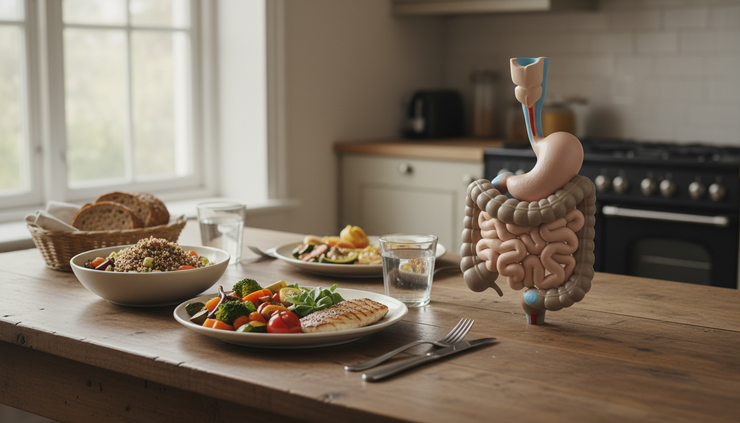
GLP-1 is a gut hormone that helps coordinate digestion and metabolism
GLP-1 belongs to a group of hormones called incretins. Incretins are chemical messengers released from the digestive tract, especially after eating. Their job is to help the body respond to incoming nutrients.
GLP-1 is made mainly by specialized cells in the intestines called L cells. These cells sense nutrients from food, including carbohydrates and fats, and release GLP-1 into the bloodstream. GLP-1 can also act locally through nearby nerves, including the vagus nerve, which connects the gut and brain.
Think of GLP-1 as part of the body’s “meal response team.” When food arrives, GLP-1 helps answer several questions at once:
Has blood sugar started to rise?
Does the pancreas need to release insulin?
Should the stomach slow the movement of food into the small intestine?
Has the body received enough food for now?
Should the brain reduce hunger signals?
That coordination matters because eating is not just about filling the stomach. A meal changes blood glucose, digestive movement, hormone levels, nerve signals, and brain activity. GLP-1 helps these systems work together instead of acting as separate parts.
One reason GLP-1 is so useful is that it responds to context. It does not simply force insulin release or stop digestion. Its effects shift based on blood sugar levels, food intake, and signals from the gut.
GLP-1 tells the pancreas when insulin is needed
One of GLP-1’s best-known roles is its effect on insulin. Insulin is a hormone made by beta cells in the pancreas. It helps move glucose from the bloodstream into cells, where the body can use it for energy or store it for later.
After a meal that contains carbohydrates, blood glucose often rises. GLP-1 helps the pancreas respond by increasing insulin release. This is part of the incretin effect, which explains why oral glucose can trigger a stronger insulin response than the same amount of glucose delivered directly into the bloodstream. The gut is not just absorbing sugar. It is also sending hormone signals that prepare the body to handle it.
The key detail is this: GLP-1 stimulates insulin release mainly when blood sugar is elevated.
That glucose-dependent action is important. GLP-1 does not normally push the pancreas to release large amounts of insulin when blood sugar is low. Instead, it helps amplify insulin secretion when glucose is already high enough to require a response.
A simple way to picture it is a thermostat. GLP-1 does not turn on the heating system at random. It helps the system respond when the temperature crosses a certain point. In the body, the “temperature” is blood glucose.
This glucose-dependent insulin effect helps protect the body from unnecessary insulin release. Insulin is powerful, and too much insulin at the wrong time can drive blood sugar too low. GLP-1 supports a more targeted response by working with the body’s current glucose level.
GLP-1 also affects another pancreatic hormone called glucagon. Glucagon is made by alpha cells in the pancreas and generally raises blood glucose by telling the liver to release stored glucose. After a meal, GLP-1 can help reduce glucagon when blood sugar is high, which supports better glucose control. This effect is also part of the broader post-meal balancing act.
The result is not a single on-off switch. GLP-1 helps fine-tune the pancreas so the body can bring blood sugar back toward a healthy range after eating.

GLP-1 slows gastric emptying to help manage the pace of digestion
GLP-1 also affects the stomach. One of its major actions is slowing gastric emptying, which is the movement of food from the stomach into the small intestine.
This does not mean the stomach stops working. It means the release of stomach contents becomes more gradual. That slower pace can help the body process nutrients in a steadier way.
When the stomach empties very quickly, glucose from a meal can enter the bloodstream rapidly. That can create a sharper rise in blood sugar, especially after carbohydrate-rich foods. By slowing gastric emptying, GLP-1 helps smooth the delivery of nutrients into the small intestine, where absorption happens.
This effect can influence appetite too. Food that stays in the stomach longer can contribute to a longer-lasting sense of fullness. The stomach stretches when it contains food, and stretch signals are part of how the body detects that a meal has been eaten.
The connection between gastric emptying and food intake is practical. A slower stomach-emptying pattern can help reduce the urge to keep eating soon after a meal. It gives the digestive system more time to send “enough for now” signals.
That said, slower gastric emptying is not always pleasant for everyone. If the stomach slows too much, some people may feel nausea, bloating, early fullness, or discomfort. This is one reason changes in GLP-1 signaling, whether natural or medication-related, can affect digestion in noticeable ways.
In everyday terms, GLP-1 changes the meal from a sudden flood into a gradual release. That slower rhythm supports blood sugar control and helps regulate how much food feels comfortable.
GLP-1 talks to the brain through the vagus nerve
GLP-1 does not only work through the bloodstream. It also communicates through nerves, especially the vagus nerve.
The vagus nerve is a major communication route between the digestive system and the brain. It carries information from organs such as the stomach and intestines to brain regions involved in hunger, fullness, nausea, heart rate, and digestion. It is sometimes described as a gut-brain highway, which is a useful image as long as the complexity behind it is not ignored.
After a meal, GLP-1 can activate receptors connected to vagal nerve endings in the gut. These nerve endings send signals upward toward areas in the brainstem. From there, the message can influence the brain’s satiety centers, including networks that help decide when a person feels satisfied.
Satiety is different from just having food in the stomach. It is a whole-body signal. The brain weighs input from:
Stomach stretch
Nutrient levels in the gut
Blood glucose
Hormones such as GLP-1
Nerve signals from the digestive tract
Past eating patterns and food cues
GLP-1 helps strengthen the message that food has arrived and the body has enough for the moment. This can reduce hunger and increase fullness after eating.
The vagus nerve connection is also one reason GLP-1’s effects feel so immediate and physical. Fullness is not only a thought. It is a body signal shaped by the stomach, intestines, hormones, and brain. GLP-1 helps carry that signal.

GLP-1 helps the body link blood sugar control with appetite control
Blood sugar and appetite may seem like separate topics, but GLP-1 shows how closely they connect.
After eating, the body needs to absorb nutrients, manage rising glucose, release the right amount of insulin, and decide when to stop eating. These events happen at the same time. GLP-1 helps coordinate them.
Here is the basic sequence:
Food enters the digestive tract.
Intestinal cells sense nutrients and release GLP-1.
GLP-1 helps the pancreas release insulin when blood sugar is elevated.
GLP-1 slows gastric emptying, allowing a steadier flow of nutrients.
GLP-1 activates gut-brain signaling through the vagus nerve.
The brain receives stronger satiety signals and hunger may decrease.
This is why GLP-1 is often described as affecting both glucose regulation and appetite regulation. It sits at the crossroads of metabolism and digestion.
The hormone’s effects also explain why GLP-1-based medications are used in certain medical settings. These medications are designed to activate GLP-1 receptors for longer than natural GLP-1 does. Natural GLP-1 breaks down quickly in the body, while medications can last longer. The details vary by medication, dose, and person, so treatment decisions belong with a clinician.
The natural hormone still provides the core lesson: the body does not manage blood sugar with the pancreas alone, and it does not manage appetite with willpower alone. Digestion, hormones, nerves, and the brain all take part.
Why GLP-1 does not act the same way all the time
GLP-1’s effects can vary depending on the situation. A high-carbohydrate meal, a mixed meal with protein and fat, or a small snack may all lead to different hormone and nerve responses. The body also responds differently depending on insulin sensitivity, digestive speed, sleep, stress, activity, and overall health.
The glucose-dependent nature of GLP-1’s insulin effect is especially important. When blood sugar is higher after a meal, GLP-1 helps insulin rise. When blood sugar is not elevated, that insulin-stimulating effect is much weaker.
This makes GLP-1 more like a guide than a command. It helps the body respond to what is happening instead of forcing one response in every situation.
The appetite effects are also layered. GLP-1 can increase fullness, but appetite is shaped by many signals. Taste, habits, emotions, environment, sleep, and other hormones all matter. GLP-1 is influential, but it is not the only voice in the room.
GLP-1 is one part of a larger control system
No single hormone controls health by itself. GLP-1 works inside a larger network that includes insulin, glucagon, leptin, ghrelin, peptide YY, bile acids, gut motility, and brain circuits tied to reward and satiety.
That network helps explain why the body can be both precise and frustrating. It can adjust minute by minute after a meal, yet long-term changes in weight, blood sugar, or appetite often involve many systems at once.
GLP-1 stands out because it connects several key systems:
GLP-1 action | What it helps regulate |
Increases insulin when blood sugar is elevated | Post-meal glucose control |
Reduces glucagon when appropriate | Liver glucose output |
Slows gastric emptying | Nutrient delivery and meal pacing |
Activates vagus nerve signaling | Fullness and satiety |
Acts on brain appetite pathways | Hunger and food intake |
This combined role makes GLP-1 a powerful example of how the gut acts as an endocrine organ. The digestive tract does far more than break down food. It senses what is eaten, releases hormones, and helps guide the brain and pancreas.
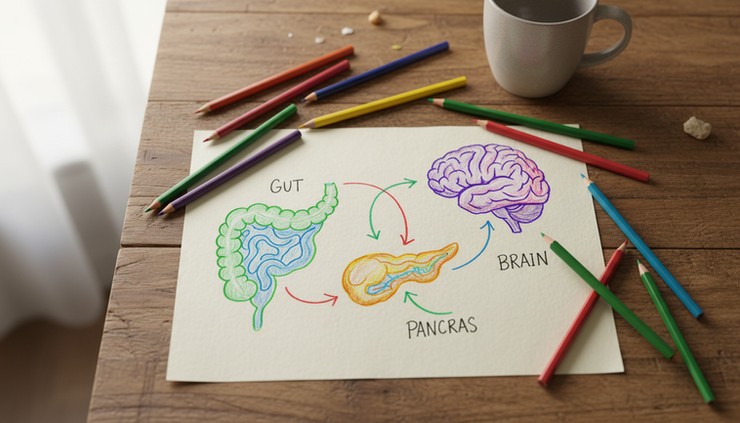
The key takeaway on GLP-1
GLP-1 is a hormone released by the gut after eating. It helps the body handle food in a coordinated way by supporting insulin release when blood sugar is elevated, slowing gastric emptying, and sending fullness signals to the brain through pathways that include the vagus nerve.
Its role is practical and elegant. GLP-1 helps the body ask, “Has food arrived, how fast should we process it, does glucose need attention, and are we full enough?” Then it helps the gut, pancreas, and brain respond together.
Understanding GLP-1 makes blood sugar and appetite feel less mysterious. They are not controlled by one organ or one signal. They are shaped by a conversation between the digestive system, the pancreas, the nervous system, and the brain.


Comments