How to Maintain GLP-1 Naturally for Better Metabolic Health and Weight Control

A small gut hormone can have an outsized effect on hunger, blood sugar, weight, and long-term metabolic health. That hormone is GLP-1, and it has moved from medical journals into everyday conversation because of medications like semaglutide and tirzepatide.
Yet GLP-1 is not only about prescriptions. The body makes it naturally after eating, especially when meals contain the right mix of nutrients. Sleep, movement, meal timing, gut health, and metabolic status also influence how well this hormone system works.
Understanding GLP-1 can make weight control feel less like a battle of willpower and more like a biology-informed plan. This article explains what GLP-1 does, how GLP-1 receptor agonists work, and how to support your natural GLP-1 response through daily habits.
This content is for general education only and is not a substitute for medical advice. Anyone considering medication, changing diabetes treatment, or managing a chronic condition should work with a licensed health care professional.

Why GLP-1 matters for metabolic health
GLP-1 stands for glucagon-like peptide-1. It is an incretin hormone, which means the gut releases it in response to food and it helps coordinate digestion, insulin, and appetite.
After a meal, GLP-1 helps the body in several ways:
It signals the pancreas to release insulin when blood sugar rises.
It lowers glucagon when the body does not need more glucose released from the liver.
It slows stomach emptying, which can help people feel full longer.
It sends satiety signals to the brain.
It may support healthier post-meal blood sugar patterns.
This is why GLP-1 sits at the center of metabolic health. It connects the gut, pancreas, liver, brain, and appetite system.
When GLP-1 signaling works well, meals tend to feel more satisfying. Blood sugar rises and falls in a more controlled way. Hunger returns at a more reasonable pace. When that signaling is weaker, disrupted, or overwhelmed by insulin resistance, people may experience stronger cravings, frequent hunger, energy dips, and more difficulty losing weight.
Researchers have studied incretin hormones for decades, but public awareness grew after GLP-1-based medications showed strong effects for type 2 diabetes and weight management. These medications did not create a new pathway. They amplified a pathway the body already uses.
How GLP-1 receptor agonists work
GLP-1 receptor agonists are medications that act on the same receptors as natural GLP-1. They are designed to last longer in the body than the hormone the gut produces after a meal.
Natural GLP-1 breaks down quickly. That short lifespan is useful for normal meal-to-meal regulation, but it limits how long the signal lasts. GLP-1 receptor agonists extend that signal, which can lower appetite, improve blood sugar control, and help with weight reduction when used under medical supervision.
Common examples include semaglutide, liraglutide, and dulaglutide. Tirzepatide is slightly different because it acts on both GLP-1 and GIP receptors, another incretin pathway involved in insulin and metabolism.
These medications can support weight and diabetes care through several mechanisms.
They help improve blood sugar control
For people with type 2 diabetes, GLP-1 receptor agonists can improve A1C by increasing glucose-dependent insulin release. That phrase matters. These drugs work more strongly when blood sugar is elevated, which lowers the chance of low blood sugar when used alone compared with medications that stimulate insulin regardless of glucose level.
They can also reduce glucagon after meals, which helps prevent the liver from adding excess sugar into the bloodstream.
The American Diabetes Association includes GLP-1 receptor agonists among important treatment options for type 2 diabetes, especially when weight management and heart health are also key concerns.
They reduce appetite and increase fullness
Many people taking these medications describe smaller portions feeling satisfying. That effect comes from slower gastric emptying and appetite signaling in the brain.
This does not mean the medication “forces” weight loss. Food choices, protein intake, strength training, sleep, and long-term habits still matter. But for many people, the medication lowers the intensity of hunger enough to make those habits more sustainable.
They support clinically meaningful weight loss
Large clinical trials over the past several years have shown that GLP-1-based therapies can help many adults lose significant weight when paired with lifestyle support. Studies such as the STEP program for semaglutide and the SURMOUNT program for tirzepatide helped establish these medications as major tools in obesity care.
More recent cardiovascular research has also drawn attention. In a large outcomes trial, semaglutide reduced major cardiovascular events in adults with overweight or obesity and established cardiovascular disease, even among participants without diabetes. That finding helped shift the discussion from weight alone to broader metabolic risk.
For people pursuing medical weight loss, GLP-1 medications may be one option, but they require individualized care. Side effects can include nausea, constipation, diarrhea, reflux, and gallbladder issues. They are not appropriate for everyone.
What research suggests about natural GLP-1 support
Natural GLP-1 levels rise after meals, but not all meals create the same response. The body tends to release more GLP-1 when food reaches certain cells in the small intestine and colon, especially in response to protein, unsaturated fats, and fermentable fibers.
Research in nutrition and metabolism suggests several patterns:
Higher-protein meals often increase fullness hormones, including GLP-1 and peptide YY.
Fermentable fibers can feed gut bacteria that produce short-chain fatty acids, which may stimulate GLP-1 release in the colon.
Diets rich in minimally processed foods tend to support better appetite regulation than highly processed diets.
Physical activity can improve insulin sensitivity, which may help incretin signals work more effectively.
Poor sleep and chronic stress can increase hunger and cravings through hormones such as ghrelin and cortisol, making GLP-1 signaling less influential.
Experts in endocrinology and obesity medicine often make the same point: GLP-1 is powerful, but it works inside a larger system. No single food, supplement, or habit “boosts” it in a guaranteed way for everyone. The goal is to create the conditions that help the body’s appetite and blood sugar signals work better.
Key takeaway: Natural GLP-1 support is less about chasing one miracle food and more about building meals and routines that improve satiety, gut health, insulin sensitivity, and recovery.
How to maintain GLP-1 naturally with food
The best GLP-1-supportive eating pattern looks a lot like the best metabolic health pattern: protein-rich, high in fiber, built around whole foods, and steady enough to follow long term.
Start meals with enough protein
Protein is one of the most reliable nutrients for satiety. It stimulates gut hormones, helps maintain lean muscle during weight loss, and reduces the pull of constant snacking.
Good options include:
Eggs
Greek yogurt or cottage cheese
Fish and seafood
Chicken, turkey, or lean meats
Tofu, tempeh, and edamame
Lentils, beans, and split peas
A simple target for many adults is to include a palm-sized portion of protein at meals. People who are older, losing weight, or strength training may need more, but needs vary.
Add fermentable fiber daily
Fiber does more than “keep things moving.” Certain fibers feed beneficial gut bacteria. In the process, those bacteria produce short-chain fatty acids, which appear to play a role in GLP-1 release and appetite regulation.
Fiber-rich choices include:
Oats and barley
Beans and lentils
Apples, berries, and pears
Artichokes, asparagus, and onions
Ground flaxseed and chia seeds
Resistant starch from cooled potatoes, rice, or pasta
Increase fiber slowly and drink enough water. A sudden jump can cause bloating or discomfort.
Choose healthy fats in moderate amounts
Unsaturated fats can help meals feel satisfying and may stimulate incretin responses. The key is portion size because fats are calorie-dense.
Useful choices include:
Extra-virgin olive oil
Avocado
Nuts and seeds
Salmon, sardines, and trout
Nut butters without added sugar
Pair fat with protein and fiber for the best appetite support. For example, a salad with grilled chicken, chickpeas, olive oil, and avocado will usually keep hunger away longer than a low-protein salad with dressing alone.
Limit ultra-processed foods
Highly processed snack foods, sweet drinks, refined grains, and desserts can be easy to overeat because they digest quickly and often combine sugar, starch, fat, and salt in ways that override fullness.
They may not give the gut the same protein and fiber signals that support satiety hormones. Over time, a diet built heavily around these foods can worsen insulin resistance and make appetite harder to manage.
This does not mean every meal must be perfect. A practical goal is to make most meals look like this:
Protein
High-fiber carbohydrate
Colorful plants
Healthy fat
Water or unsweetened beverage

Lifestyle habits that support GLP-1 and insulin sensitivity
Food drives the post-meal GLP-1 response, but lifestyle shapes the background environment. The same meal can affect the body differently depending on sleep, stress, muscle mass, and insulin sensitivity.
Walk after meals
A 10 to 20 minute walk after eating can improve post-meal blood sugar. It helps working muscles use glucose, which reduces the burden on insulin.
This habit is simple, low cost, and realistic for many people. Even a shorter walk helps compared with sitting right after a large meal.
Build muscle with resistance training
Muscle is a major site for glucose storage. More active muscle tissue improves metabolic flexibility, which means the body handles carbohydrates and fats more efficiently.
Strength training two or three times per week can help preserve muscle during weight loss and improve insulin sensitivity. Bodyweight exercises, resistance bands, dumbbells, or machines can all work.
Good starter movements include:
Squats to a chair
Wall pushups
Hip hinges
Step-ups
Rows with a band
Farmer carries with weights
Protect sleep like a metabolic habit
Short sleep can raise hunger and reduce impulse control around food. It can also worsen insulin resistance, especially when poor sleep becomes a pattern.
Most adults do best with a consistent sleep schedule and seven or more hours of sleep. Helpful changes include dimming lights at night, limiting alcohol close to bed, keeping the room cool, and getting morning light exposure.
Manage stress before it manages appetite
Chronic stress does not just affect mood. It can increase cravings, disrupt sleep, and make blood sugar harder to control.
Stress tools do not need to be complicated. The most useful ones are the ones people repeat:
Slow breathing for five minutes
A walk outside
Journaling before bed
Gentle stretching
Calling a supportive friend
Taking short breaks from screens
Stress reduction will not replace nutrition or medication when needed, but it can lower the pressure on the appetite system.
Where supplements fit
Many supplements claim to raise GLP-1, but evidence is often limited, mixed, or based on small studies. Some fibers, such as psyllium, may help with fullness, cholesterol, and blood sugar, but they should be viewed as additions to meals, not replacements for balanced eating.
Be cautious with products that promise medication-like effects. Natural compounds do not work the same way as prescription GLP-1 receptor agonists, and “natural” does not always mean safe. Supplements can interact with medications or cause digestive side effects.
A food-first approach is usually the better starting point:
Eat enough protein.
Raise fiber gradually.
Replace sweet drinks with water or unsweetened beverages.
Walk after meals.
Sleep on a consistent schedule.
If those basics are already in place, a clinician or registered dietitian can help decide whether a supplement makes sense.

A simple GLP-1-supportive day
A GLP-1-friendly routine does not need to be extreme. It should feel steady, satisfying, and repeatable.
Here is one example:
Breakfast
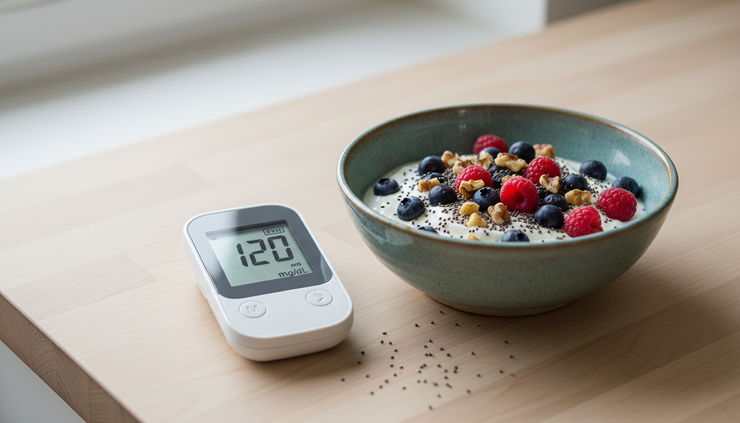
Plain Greek yogurt with berries, chia seeds, walnuts, and a sprinkle of cinnamon.
Lunch
Lentil soup with a side salad, olive oil dressing, and grilled chicken or tofu.
Afternoon
A walk, water, and a protein-rich snack if hungry, such as cottage cheese or edamame.
Dinner
Salmon or tempeh with roasted vegetables, cooled quinoa or potatoes, and avocado.
Evening
Screens dimmed, a regular bedtime, and a short breathing routine if stress is high.
This pattern supports the same systems GLP-1 helps regulate: appetite, blood sugar, digestion, and energy balance.
The real goal is better metabolic signaling
GLP-1 has changed the way clinicians and researchers think about obesity, diabetes, and appetite. It shows that weight control is deeply biological, not simply a matter of discipline.
GLP-1 receptor agonists can be valuable tools for people who qualify for them, especially when weight, type 2 diabetes, and cardiovascular risk overlap. At the same time, natural GLP-1 support remains useful for nearly everyone because it rests on the foundations of metabolic health.
Build meals around protein and fiber. Include healthy fats. Move after eating. Strength train. Sleep consistently. Manage stress in small, practical ways.
Those habits may not mimic prescription medication, but they help the body’s natural signals work more clearly. Over time, clearer signals can make better blood sugar, steadier hunger, and healthier weight control easier to maintain.


Comments